I expect that one of these evenings I’ll leave class thinking, I finally experienced that “dud” – but it hasn’t happened yet! Last night was an equally thrilling look into Joseph Cornell’s FLOW Learning method and how one naturalist learned (through trial and error) how it brings life to the classroom.
I had already been exposed to this idea before in the Introductory to Forest School course by this same naturalist. Her top recommendations for reading were Coyote’s Guide to Connecting with Natureand a small volume from Joseph Cornell called Sharing Nature with Children. I’ll admit that when the Cornell book arrived, it wasn’t very impressive. Small and older (and only costing around $3.00 from a used book dealer) I didn’t give it much thought, but stuck it in my ever growing pile of things to read. Last night I was convinced that I was completely mistaken in my assessment of this little jewel!
Sharing Nature with Children, by Joseph B. Cornell
“Nature Leslie,” as she says she is known to her students and families, recounted trying traditional methods of hiking and educating young children only to experience frustration. Her complete transparency was one of the most helpful things I’ve ever experienced in a class. Allowing herself to “be wrong” in front of us, she then shared how using FLOW Learning and teaching through playing games instead had transformed her experience as a guide.
As she led us through Cornell’s four-step method, she then explained simple games she matched with the “flow” at this point of a session appropriate the the age, energy level, and theme of the session. My heart and brain came more alive with each and every game she shared. At the end of the evening, I came downstairs and shared some of the ideas with Jason. His response to a focused attention activity involving birds was, “Oh, I’m trying that! You think I won’t?”
I left the evening feeling empowered as Forest School Leader. I’m not the least bit worried now about what I would “do” with a group of kids, and I’m more excited than I’ve ever been about the future of Sparrow’s Nest Play. Special thanks to the Forest School Teacher Institute and to “Nature Leslie” for her time, talents and energy!
Many of you saw my previous post of curated TedTalk videos expositing the neurological, social, psychological, educational and emotional benefits of being in the natural world with more frequency and intention. After viewing those over and over again, I felt like I really wanted to point to some sources that applied directly to children. In this post you’ll find three talks that specifically mention the benefit directly to children, but in each case those benefits also spill over into the lives of the whole family.
When recently asked, “Well, who will Sparrow’s Nest Play serve?” it was difficult for me to imagine where the actual benefits of this kind of thing stop. Serving a child – expanding their horizons, helping develop their physical and emotional health, and helping them build a sense of appreciation of the natural world and their place in it – doesn’t stop with the life of that one child. Almost always, that child wants to share their experience with not only siblings and friends, but with parents and caregivers. Whole families can find respite through the small action of teaching one child nature awareness.
In her talk Prescribing Nature to Health, pediatrician Dr. Noosh Razani, tells the story of her urban-dwelling family and the challenges she feared when exposing them to the outdoors. One especially poignant part of her speech revolves around her realization that she was “killing their instincts” as children with all of her concerns for their safety. Watch as she explains how she made the transition from a lonely, overly cautious mother to a professional that now prescribes “Nature Prescriptions” and believes this to be an “evidence-based health intervention.”
One of the most inspiring videos I found came from Nilda Cosco, a Research Associate Professor at the College of Design, and Director of Programs at the Natural Learning Initiative, North Carolina State University. In her TedTalk entitled, What Nature Teaches Children, she presents research on enhancing outdoor environments at childcare centers in Raleigh, North Carolina. The “health promotion interventions,” as she terms them, are not new ideas but are the spirit of a new movement. Story after story, picture after picture, will convince you that these small changes are not only achievable but completely necessary to the health and well-being of our children.
Finish off your inspiration session by watching Rebecca Brenna present Lessons Learned from Playing Outdoors. Her simple formula concludes that “experiences + choices = life lessons.” Among the virtues she credits having learned from outdoor play experience are independence, responsibility, creativity, teamwork, compromise, negotiation and risk taking.
I hope these videos truly give you, as a parent, caregiver, or educator a sense of “no fear, just wonder.” Wonder at the amazing possibilities that are awaiting us if we just utilize our imaginations and the wonderful opportunities nature has to offer.
My Forest Teacher Training continues to be a rewarding experience night after night. At the close of each class, I feel as though I have conducted a session of forest school myself, thanks to the open-hearted sharing of the group and of our guides. Last night’s topic spoke to creating “Mindfulness, Rhythms, & Rituals” – what I used to call scheduling.
When I created schedules for schools where I directed, it was a matter of weaving “specials” (Art, Music, Spanish, etc.) into each classroom’s daily routine in order to intricately weave a balanced masterpiece that was pleasing to parents and teachers. Inevitably, someone was not pleased. Maybe their much coveted Playground slot, at a time they felt disturbed the learning flow. Or perhaps, the day the Spanish teacher could come pushed Snack back by 15 minutes. Sometimes the teachers of the special subjects also had requests, like teaching all of the younger classes on Tuesdays, and older students on Thursdays. Making the “master schedule” was a task that often took a week’s worth of painstaking, working and reworking to my (and everyone else’s) ultimate frustration and disappointment.
Not even referred to as “schedule,” this method of planning your day was a breath of fresh air. Based on the Waldorf School philosophy of the inhale/exhale flow of energy. The general idea is that each of our daily routines has an intrinsic flow of energy – some moments giving or restoring energy like a deep inhale, and others a burst or release of energy as an exhale. Likewise, we considered the day to be a combination of moments where children might take a deep breath in to focus and concentrate to gain energy, followed by spurts of activity that allowed for energy release.
Surrounding all of this was the practice of mindfulness, paying attention to our bodies and the world around us. Without an intentional spirit of mindfulness, it becomes impossible to develop healthy rhythms. A friend and I were recently discussing moments when we realize a disjointed feeling, and then wondering how long we’ve been just pushing through those feelings ignoring them. I’ve spent most of my adult life “pushing through” or ignoring symptoms of burnout or stress with the idea that it was just normal. It isn’t. It leads to higher cortisol levels and narrows the space in the brain for the capacity to take in information. Don’t get me started on how it stifles creativity.
Mindfulness exercises, integrated into the learning day, train children to maintain intentional contact with their own bodies and environment. This sense of self-awareness is key to building social emotional intelligence. Accomplished through 5 minutes exercises in deep breathing, listening, focused meditation, or quiet contemplation, mindfulness is currently being integrated classrooms of all kinds to assist students who display undesired behaviors. However, these routines, applied to traditional classrooms have limited impact without the continued benefits of a daily schedule that is built around inhaling and exhaling.
But more and more evidence supports the claim the nature based learning, when paired with mindfulness practices, allows the child to develop physically, emotionally, socially and cognitively without the constraints that a typical classroom places on them. As well intentioned as I was developing those schedules, I don’t think the first question I really asked was “What do the students need at this point in their learning day?” Instead, my priorities had to be standards to be met or the schedules that I was building this schedule on.
Last night I learned to ask the following questions:
What do the children need at this point in their learning day?
Has something happened to change the typical energy of today, should I add an “inhale moment” to refocus us?
Have the children been inhaling for so long they are close to bursting? How can we exhale and stay in a creative flow?
What daily opening and closing routines would bring mindfulness and meaning into the lives of my students?
Which quarterly, seasonal and annual rituals are the most mindful and meaningful to my students and their families?
I’m becoming a better educator than I’ve ever been through this Forest School Training. I’d like to offer special thanks to Bonnie Cretton from Woodsong Forest School for acting as a compassionate guide in showing me all the ways to craft a child’s learning day in ways that speak meaning into their lives and the subject matter they are learning.
Last night was our first session of Forest Teacher Training certification. Having participated in the Introductory to Forest School course, I already knew some of the instructors and the format of the learning modules. What I wasn’t prepared for was the amazing variety of people I would meet! Our teacher and guide began by saying, “If we only met for 30 minutes, the best way to spend those minutes would be to meet one another and listen to one another’s stories….”
There were over twelve states represented – and one dear Italian woman who now resides in Switzerland. In many ways, the technology offered by Zoom added to this experience instead of only detracting from our meeting in-person. I listened to each person share only their name and location and then, what brings them joy. As you might imagine, with a bunch of naturalist the themes of joy surrounded hiking, nature, gardening, spending time with family and children outdoors, etc. But there were also some creatives in the group that shared their nature journals, pottery they’d created, and even framed maps of beloved National Parks in-lieu of pictures on hand.
As we completed the introductions, and our guide began to transition to the evening’s topic on learning and engagement, he was quick to point out the the kinship we had just experienced was key to BOTH. Indeed, the storytelling, interdependency and sharing of it all is part of the magic that makes the forest school movement so compelling.
I learned so many useful facts about learning and engagement in a forest school setting and how to convey these people I might be trying to “win over.” But my heartfelt takeaway for the evening, was the kinship I kept as I left the meeting.
We’ve all heard that “nature is beneficial” for our health and general well-being. But it can fall on deaf ears when we are also inundated with new diet crazes, vitamin regimens and fitness routines that also promise to change our lives as we know them. I’d like to offer three short videos based on research and neuroscience that show how exposure to nature – at little to no cost – is life altering.
While these three TedTalks are directed to adults, it doesn’t take a lot of imagination to apply the principles to the lives of our children. (Look for a future post highlighting Three TedTalks About Nature Benefits for Children.) A common theme in each brief message is intentionality. As you view these, seriously consider the small amount of intentionality it would require to incorporate nature awareness as a regular discipline in your routine.
Jon Young, one of the authors of Coyote’s Guide to Connecting with Nature, frames his talk on Repairing Emotional Isolation by Reawakening Deep Nature Connection with the idea of being “super-natural.” In his view, combating isolation involves awareness and connectedness of place that leads to applied mindfulness. His insights on becoming intuitive through sensory awareness, especially through the use of Sit Spots, have led me to begin this discipline on my own.
After spending time writing “nature prescriptions,” Ronna Schneberger went to Japan to study Shinrin Yoku, the art of forest bathing. As she shares her insights on how Those Who are Nature-Wise Have an Edge, she expounds on three specific ways to begin your nature-wise journey toward being energized, more focused and experiencing enhanced clarity.
Last but certainly not least in impact and importance, David Strayer shares his research in cognitive restoration through nature exposure in his talk Restore Your Brain with Nature. After teasing out the hidden and not so hidden tensions between our technology based, multitasking culture and the natural world, he shares research based benefits to prolonged nature exposure.
At Sparrow’s Nest Play, we hope to be a source of information that can “cut through” a lot of the noise and be a short cut of sorts for you that curates good resources for nature play, creation care, and just living. We hope these resources have been useful and have given you the inspiration to go outside and enjoy the natural world today.
In today’s busy spaces of home, work, school, and schedule it may seem like “too much” to read about one more thing you and your family needs to “fit in” to an already impossible schedule. Recreation out of doors has become a specialty niche, another group you can choose to belong to or “identify with” in order to gain a place in society’s ever fluctuating social order. But that is not what I am talking about.
I’m not proposing week-long excursions, either as a family unit or that you pay precious dollars for your child to experience. I don’t mean that I wish for you to drop the savings account on camping equipment and force everyone to “Enjoy time in creation…damn it! We’re going on this trip even if it kills us and we are going to like it because it will bring us closer to God’s creation!” And I absolutely don’t want to add another thing into a child’s already overloaded schedule.
What I am suggesting is that reconnecting and reorienting oneself with the natural world in an intimate way places us closer to the heart of God.
Where can this be done? A small patch of yard with potted plants can be a great start. For small children, just a few trees is a forest. Public parks, while controlled in landscape and play options, at least provide grassy places for sitting and trees to observe. Spots in the yard to dig in the soil, gather fallen leaves, or just sit comfortably and quietly all serve as great springboards for Creation Care.
In Last Child in the Woods, Louv recounts a conversation with Robert F. Kennedy, Jr., who was at the time President of the Waterkeeper Alliance and senior attorney for Natural Resources Defense Council. Speaking passionately about reconnecting children to nature, Kennedy said, “We don’t want to live in a world where…we’ve lost touch with the seasons, the tides, the things that connect us – the ten thousand generations human begins that were here before us…and ultimately to God” (200).
“We shouldn’t be worshipping nature as God, he said, but nature is the way that God communicates to us most forcefully. ‘God communicates to us through each other and through organized religion, through wise people and the great books, through music and art,’ but nowhere ‘with such gesture and forcefulness in detail and grace and joy, as through creation” (Louv, 200).
Not only do we feel a nearness to God when we place ourselves strategically in the natural world, we experience a smallness within ourselves, which positions us within the created order as God intended – as caretakers and watchmen of an enormous garden. When we still ourselves to notice things like blooming flowers, birdcalls, watersheds, and the markings of seasons, we see just how much has been going on around us without our notice and attention. And suddenly we are placed within eternity, as co-creators with endless opportunity to partake in a richness we had previously missed.
Nature presents the young with something so much greater than they are; it offers an environment where they can easily contemplate infinity and eternity.”
Louv, Last Child in the Woods, 98
Now step back and look at the person who has themselves been recreated. They have intimacy with God by thinking about how (and perhaps “why”) he made things as he did. They wonder about many of these things daily. These people have developed critical thinking skills like observation, reflection, evaluation, inference-making, problem solving, and decision making. They are able to see themselves as part of whole, yet also as integral to its health and well-being. And they are able to contemplate time and eternity, placing themselves rightly within God’s story.
views from my “sit spot” in our backyard
I don’t know the names of all the flowers or birds that appear in my backyard – yet. Indeed it would probably take me most of the rest of my life to learn them. But I am being changed in the process of learning them. I spend more time in wonder and in awe of a creator with the capacity for such variety, substance, and wit. As I practice sitting and observing, I find myself in dialog with a Creator who created in abundance – not scarcity. This shalom realization, that there is enough for me and for his created order, is something I want to share with children. I believe it will also bring them a “peace that passes understanding.”
Several years ago I had the opportunity to work at a summer camp dedicated to Creation Care and peace-teaching. Since that time, I’ve never been able to shake the feeling that my life’s calling is drawing children to God through this kind of play. I was forever changed by my time as a guide for them, and I believe they, too, were changed by their encounters with God’s creation.
Set on a small church farm in East Atlanta, this camp was a place set aside for inner city children to experience nature and creation. When I say “inner city children,” please realize that our clientele was varied. Some were from a ministry that worked with children that were homeless or recently rehoused. A few children were recently arrived refugees who didn’t speak English and scattered at the sound of a car backfiring because they assumed it was gunfire. And we had a few gentrified white upper-middle class children sprinkled in just for fun.
Divided as heterogeneously as possible by age and origin into three Farm Families, these children would begin their day with a large group gathering under the towering oaks at the front of the property. We’d get a temperature read on on everyone for the day, making sure no conflicts had arisen on transportation to the farm that necessitated intervention, and then sing a few songs and play a game or two. But the children were really just eager to get started on the first set of activities – Farm Family Chores.
You heard me right, chores! Good, old fashioned work. Most older members of our staff would chuckle at the novelty of these activities remembering the dread with which they had participated in the same activities as children. And while the July Georgia temperatures did nothing to bolster the enthusiasm of the adults, the children didn’t seem to notice.
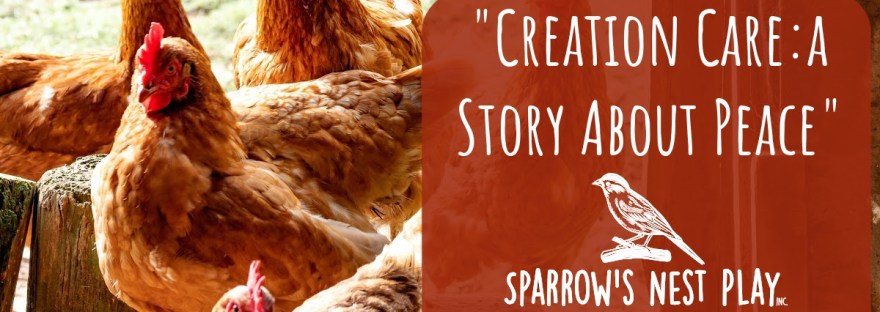
There were three Farm Families and three rotations of chores. Chicken Care involved cleaning the pens, feeding and watering the chickens. Goat Care meant either herding the goats to a new area for feeding that day, or carrying feed in containers from the Feed Barn to their pen and providing them water. My rotation was Sheep and Pig Care, which involved carrying compost scraps to the farm pig and watering the sheep. I should add that all of this was made extremely complicated by the fact that our well pump was out that summer and the children had to carry water about 100 yards in any direction from the kitchen in 5-gallon buckets to complete their tasks.
Those buckets of water were heavy, and skinny six to twelve year-old arms can’t carry a 5-gallon bucket full of water too far. But split between two children, one on either side of the bucket, they could go around 20 yards. Then, they’d swap out for another two kids. In this fashion, working as a team, they’d get the job done – and God forbid an adult suggest they step in and help!
These children, many of whom had never seen a live animal other than maybe a domesticated dog or cat, started out the sessions terrified of the animals – fascinated but completely unprepared to go near a chicken, goat, sheep, or pig. But as the session unfolded, the children began to feel their daily contributions were so meaningful that they connected to these animals and to the land they were on. By the end of the session, I think every child had held a baby goat and a chicken. Many of them were reaching beneath chickens to grab the morning’s eggs without even thinking about it. But that is not the only way the children were changed.
There was a noticeable restfulness of spirit about the children that had not been there before and their pace slowed as they cared for the animals. I remember them stopping to ask me about the “pretty orange flowers” growing at the edge of a field. I can still recall the shock and wonder when I told them that blossom would one day be a pumpkin. Many had never seen a strawberry plant, and learned to harvest them with joy each day. They began to laugh and play. The language barrier was not an issue. And any conflict that did arise could usually be solved by taking them down to the goats and sitting to calm down, watch, and talk.
At the end of each day, the children were encouraged to reflect on the best parts of their experience, what they had learned and where they had experienced peace that day. There responses were often as follows:
I experienced peace when I pet the sheep.
I felt peace when the chickens got loose and we had to make a human fence to get them back in the pen.
I felt peace when I had to stop the baby goat in the strawberry patch.
It was peace giving the pig water and my lunch scraps.
While I know that crafts, stories, and music were also fun, I think what healed those children and brought them peace was God’s creation. Experiencing an intimacy with the creator through creation gave them a priceless gift. It placed them in the story of Creation as caretakers and allowed them to give and co-create. For a child who believes they have nothing to offer the world, this is the gift of a lifetime.
At Sparrow’s Nest Play, we want to give this gift to as many children as we possible can. It may be a while before we have the physical property to house the animals that we had at the farm, but God can use all parts of nature to heal and bring peace. Through our writing, videos, and other resources, we want to be his conduit for that peacemaking.
There have always been a few “fringe philosophies” in education at any given moment. One that is moving from the fringe into a class all its own is the idea of nature play. Sparrow’s Nest Play grew out of a love for teaching creation care, along with the belief that being in nature as co-creators and stewards of this place, is a witness of peace. Angela Hanscom’s bookBalanced and Barefootwas one of the first resources I explored when looking for evidence about why nature seems to heal.
Hanscom, a pediatric occupational therapist, began with the question: Why are so many more children struggling to sit still? She goes further to postulate, “Are we simply more sensitive to children’s needs these days? Or is there really an increase in sensory issues in young children? What is causing these problems?”
Research led her to found TimberNook, a nature-based developmental program for children because her conclusions were a resounding “Yes, there is an increase in sensory issues in young children.” Much of that foundational research is included in this book. It is exceptionally well laid out with plenty of specific examples about how certain activities meet sensory thresholds and what happens when those are not reached – or even explored. Just within the first chapter, Hanscom traces decreasing core muscle strength, poor posture, decreased stamina, fragile bones, poor balance, weakened immune systems, aggression, reading difficulties, and anxiety as issues that stem from a nature deficiency.
After laying out the many issues that can stem from a lack of experiences that come from free play in nature, Hanscom spends the next chapter speaking specifically to sensory integration. Her summation is quite dim, “There is a common thread that runs through the development of healthy motor, sensory, social-emotional, and cognitive skills. Any time there is a kink in that thread…your child is at risk for a range of problems, from having difficulty making friends to paying attention in school to controlling emotions to even losing the ability to imagine – not to mention being at risk for a range of physical injuries.” Her solution, however, as a therapist couldn’t be simpler – whole body movement and lots of it.
“When we constantly say no – ‘No climbing,’ ‘No riding your bike to Henry’s house,’ ‘no running,’ ‘There’s no time for that,’ ‘Don’t touch that,’ or ‘Get down from there,’ – we’re likely to see effects on children’s development.
As an educator, my ingrained skepticism comes out in the form of safety concerns. Having served as the Director for several programs, the words “liability” and “safety” are often out of my mouth before I’ve even had a chance to fully process the question. Even so, her chapter on allowing children to take risks (Chapter 5: “Safety First Equals Child Development Later) gave me pause to really stop and wonder how often I have defeated a child’s natural need and inclination in the name of safety. I am coming to the conclusion that while I may never describe myself as a “risk taker,” allowing for calculated risk taking is something I need to make more room for. Don’t miss her “Common Sense Safety List” beginning on page 129 to help you lay a foundation after reading this chapter. While you might not come to all the same conclusions that Hanscom does, I encourage you to read this chapter, along with Chapter 6 about the evolution of playgrounds and playground equipment with an open mind.
One of the most beneficial parts of this book, for me, was the confirmation that children need unstructured, independent play. Her research indicated that the “amount of time children spend in unstructured play has decreased by 50 percent [in the past few decades], resulting in children devoting most of their time to indoor activities.” Likewise with the average child spending as much as 5-6 hours a day in front of a television, computer, or video game screen, she makes a compelling argument for declining trends in creativity and problem solving among children as a result of lack of independent play.
“When children are deprived of both child-led and play experiences, they may struggle with higher-level thinking skills, such as coming up with their own ideas, problem solving, and other forms of creative expression. It is important that we allow plenty of independent play experiences, in which children have ample time and space to explore, create, and play with friends. It is then, and only then, that they will be able to practice the complex cognitive skills needed for a successful academic career and to reach their intellectual capabilities.”
Even if this book doesn’t inspire you to run right out and join a nature play group (or support us here at Sparrow’s Nest Play) I think it is well researched enough to stop and help us understand why we are seeing some of the fundamental changes in childhood behaviors – especially those related to sensory issues. I recommend this book to anyone who is looking for a different way to reach a child who struggles to sit still and just seems all around “awkward.”
For us at Sparrow’s Nest Play, this book confirms that our bodies were made to participate in creation as caretakers and co-creators. Resources like this one help us articulate why we believe we’ve been wired to our places intimately and belong to and in them.
During my last week as a “mainstream preschool educator” I had an experience that solidified my decision that now is the time to start living and teaching the values I hold dear.
Let me begin by saying I truly esteem the ideology and curriculum of the organization I had been working with for several years. While I won’t mention them by name, many of my close followers will know which institution I mean, which only mirrors the best practices of many early childhood education centers. It is not this particular center that got “under my skin,” but rather the nature (no pun intended) of practical circumstances and concerns that lead them to teach under the restrictions they do.
On the playground with a group of three and four year olds for one of our 45 minute outdoor play sessions for the day, we were encountering nature. It had been a part of the curriculum that month to learn about life cycle of plants, what things are living and non-living, and about the change of seasons. The children were well versed in terms like roots, stem, leaf, and flower. They could tell you that living things need proper habitats. They know that plants needs air, water and light to grow. They had diagrammed and drawn out this process several times and I had even brought in some plants from my garden (non-toxic of course) for them to observe.
photo by J. Mitrione, Unsplash 2020
Just the day before, our lesson plan called for us to take them onto the playground to observe a plant up-close. Just the other side of the fence, honey suckle grew in profusion and the children enjoyed touching it as we pulled it through the chain link fence that encloses our play area. Their faces lit up when they realized that it was this small flower that they’d been smelling for a week or more as they played. They could correctly identify all the parts of the plant, pictures were taken to document the activity and send home to mom and dad. Lesson successful. Until the next day….
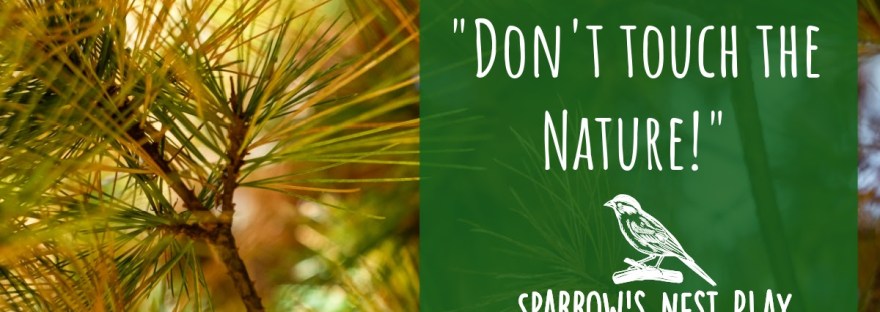
Upon going out on the playground where did every single child (and I mean all 27 children) gravitate to immediately? Well to the honey suckle of course! Just yesterday it had been the focus of our lesson. We, the teachers, had pulled it through the fence ourselves for observation! But now the children heard from each adult a constant barrage of, “Don’t touch the nature!” Safety guidelines, you see, prohibit us from allowing children to engage with sticks, leaves, vines, wood chips, dirt or other forms of the playscape.
The children were genuinely confused; and as versed as I am in the Safe School Guidelines, I have to say I was instantly irritated. We want them to learn about these things in isolation? What happened to experiential learning? Learning through play? Or even the goals of yesterday’s lesson?
Later that afternoon for the last half of their outdoor play, they knew better than to touch the items on the other side of the fence. I caught two or three of them, instead staring straight up into the boughs of a pine tree. They started to scatter until they saw it was me (they’d already sensed that I could not betray my value system I guess) and then asked, “What is that?”
I was confused. They know what trees are. Pine trees are not exotic or rare in Georgia. I laughed and decided to play along thinking they were teasing me. “Well, I don’t know. What do you think it is?” A few more joined the sky gazing group. One boy said, “It looks like a tree but those aren’t leaves so we think we must be wrong.”
photo by R. Kraft, Unsplash 2015
It was then that I honestly realized that they were confused because of the pine needles at the end of the branches. Without exerting much effort, I reached up and pulled the branch low enough for them to touch it. Casting wary glances over their shoulders, they approached the branch. One little girl said, “It looks ouchie. Can we touch it? Is it safe?” I pulled a few needles free and began observing them with the children. By now there were fifteen of them all gathered around. The smelled the needles, touched the length and pointed ends, and then smelled them!
In what has become a classic work called Last Child in the Woods, Richard Louv writes, “Within the space of a few decades, the way children experience nature has changed radically….Today, kids are aware of the global threats to the environment – but their physical contact, their intimacy with nature, is fading.”
Today, kids are aware of the global threats to the environment – but their physical contact, their intimacy with nature is fading.”
Richard Louv, Last Child in the Woods
It wasn’t long before we were found out and the contraband pine needles I had handed them were disposed of by another teacher over the fence for safety’s sake. But for well over ten minutes, we escaped to a place where we could use all of our senses to learn that this was a tree and that there were lots of them just like this all around us. We talked about what it meant to be evergreen and I asked if any of them had Christmas trees in their homes that reminded them of this tree. I think we could have gone on talking for a long time.
As we gathered them in to go back inside, I caught one boy steal a last glance over his shoulder at the pine that had extended it’s graceful limb over our play space. I hope that he spends the next two weeks jumping as high as he can to try and reach that branch. And I pray some kind soul will let him smell the pines once again before he loses interest.
Welcome to Sparrow’s Nest Play! This dream seems a long time in coming to fruition, but at the same time a little bit like randomly jumping off a cliff. My hope and dream has long been to offer a place (or places) of peace for children in today’s violent, busy, and consumer oriented world. Small people can easily get lost in the “rat race.” Even more tragic, experiences that were once common among children during their development are now viewed as “fringe,” “niche,” or even “liberal.”
There is something inherent in us that wants to inspect and wonder. It is easily recognizable in the preschool aged children with which I have worked. But somewhere along the way, wonder and creativity get stifled and suppressed by standards and expectations which are far outside the natural interest of many children.
One such child I had the joy of teaching was Peyton, who simply could not imagine playground
time without sitting in a pile of wood chips rearranging them to his personal liking. He used any tool he could find to move the chips – toys, cups, spoons and other objects from our dramatic play – he just had to be digging and touching and exploring the dirt. He would come in filthy and almost require a good bathing before we could continue our learning each day. Thankfully, his mother knew of his predilection and always packed additional clothing for this purpose.
The problem? Our policy absolutely forbade the children to touch or play with wood chips in any way. One might ask, “Then why cover the playground in 3 inches of them?” As is common, this policy was the result of a lawsuit that had been filed in another center where a child had an eye injury from a wood chip thrown by another child, costing the center many thousands of dollars in settlement. Thus, it became standard policy to have be “hands off” concerning the wood chips. Similarly, they were to be discouraged from touching sticks, dirt, leaves, pine cones and any other natural debris on the playground–all things children were made to play with.
This is one example of many where I’ve seen children eager to immerse themselves in nature only to be told that nature is too dangerous and a safety liability. I witness them trying to find ways to make playground equipment move more than it does or to find heights to jump from each day, only to be told that trying this isn’t safe. As the children turn aside from reprimand, I feel like we’ve killed something natural and beautiful inside them. I always wonder if it will reemerge or if that was its last natural occurrence, and like the last thing living of its species have we doomed wonder to extinction.
And then once inside the “safety” of our classroom once again, these same children display anxiety at risk taking – just unguided but supervised play that encourages them to “see what happens if…”. Sometimes, I think that because I’ve had to tell them so many times “We don’t do that because it isn’t safe” they see danger around corners where there is none.
Sparrow’s Nest Play is a place to investigate and wonder and learn using all of those natural, God-given curiosities. With supervision and caution, teaching a child to use their senses to explore the world around them is highly beneficial to their development. But it takes intentionality. If we need to have a time of digging in the dirt, let’s provide a safe space to do so, tools to assist and an appropriate place to clean up afterwards. And let’s teach about what healthy soil is while we are doing it so we don’t waste this learning opportunity!
But more than just nature play, Sparrow’s Nest Play seeks to cultivate curiosity about our world and our place in it. We ask questions like:
Where does food come from? Who grows our food?
What does a healthy world look like? How did it get unhealthy?
What is our responsibility in caring for creation?
How should I treat my fellow human beings as we share resources?
How can I promote peace with creation and with humanity?
One day we hope to have After School Programs and Day Camps, in order to provide not just education, but experiences and a community for children to explore these questions and many more. For now we’ll be creating online curriculum and content with the hope toward partnering with small groups of like-minded individuals. Join us in our journey at Sparrow’s Nest Play. subscribe to our blog and stay up-to-date with our journey toward getting our 501-C3 designation soon!




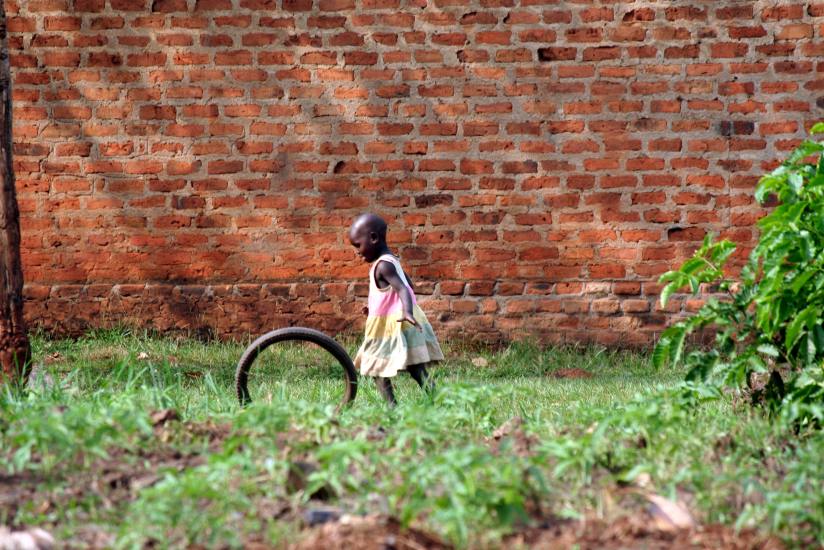
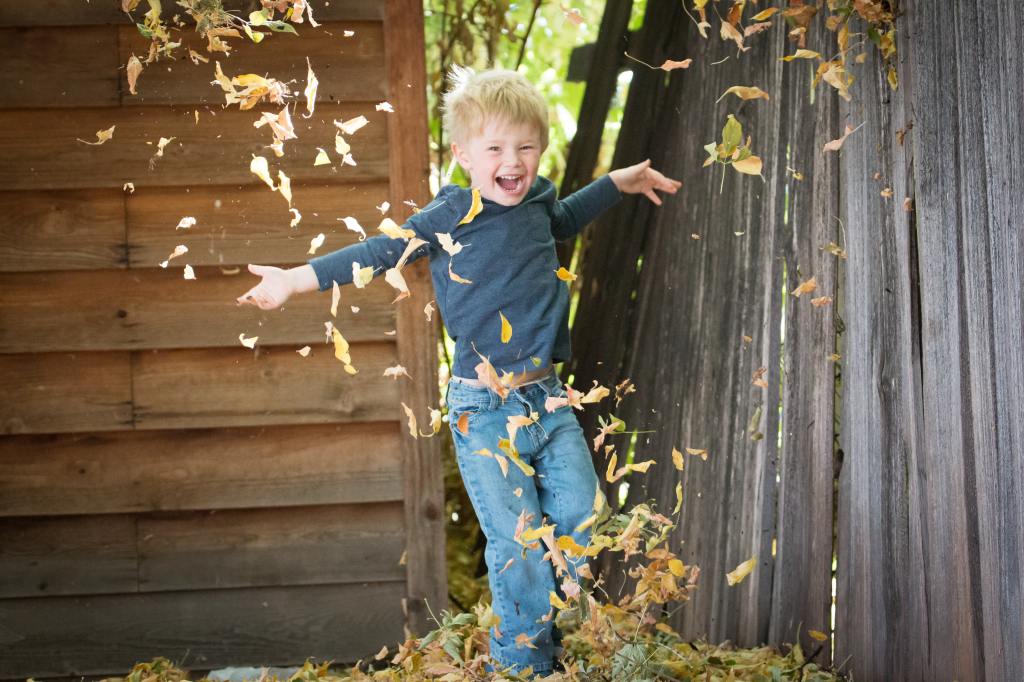
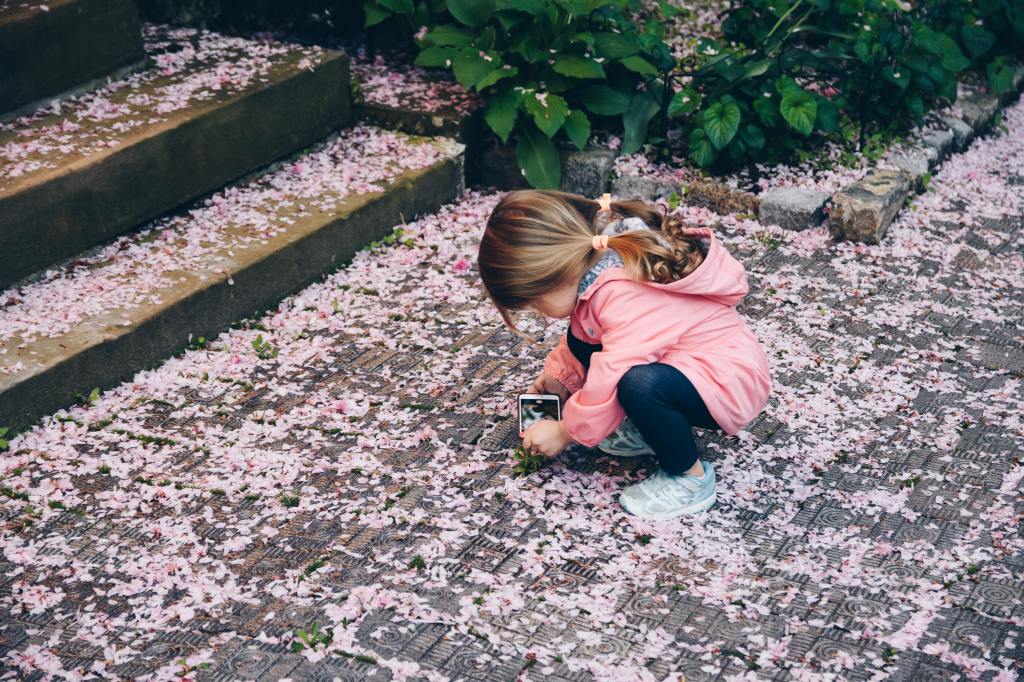


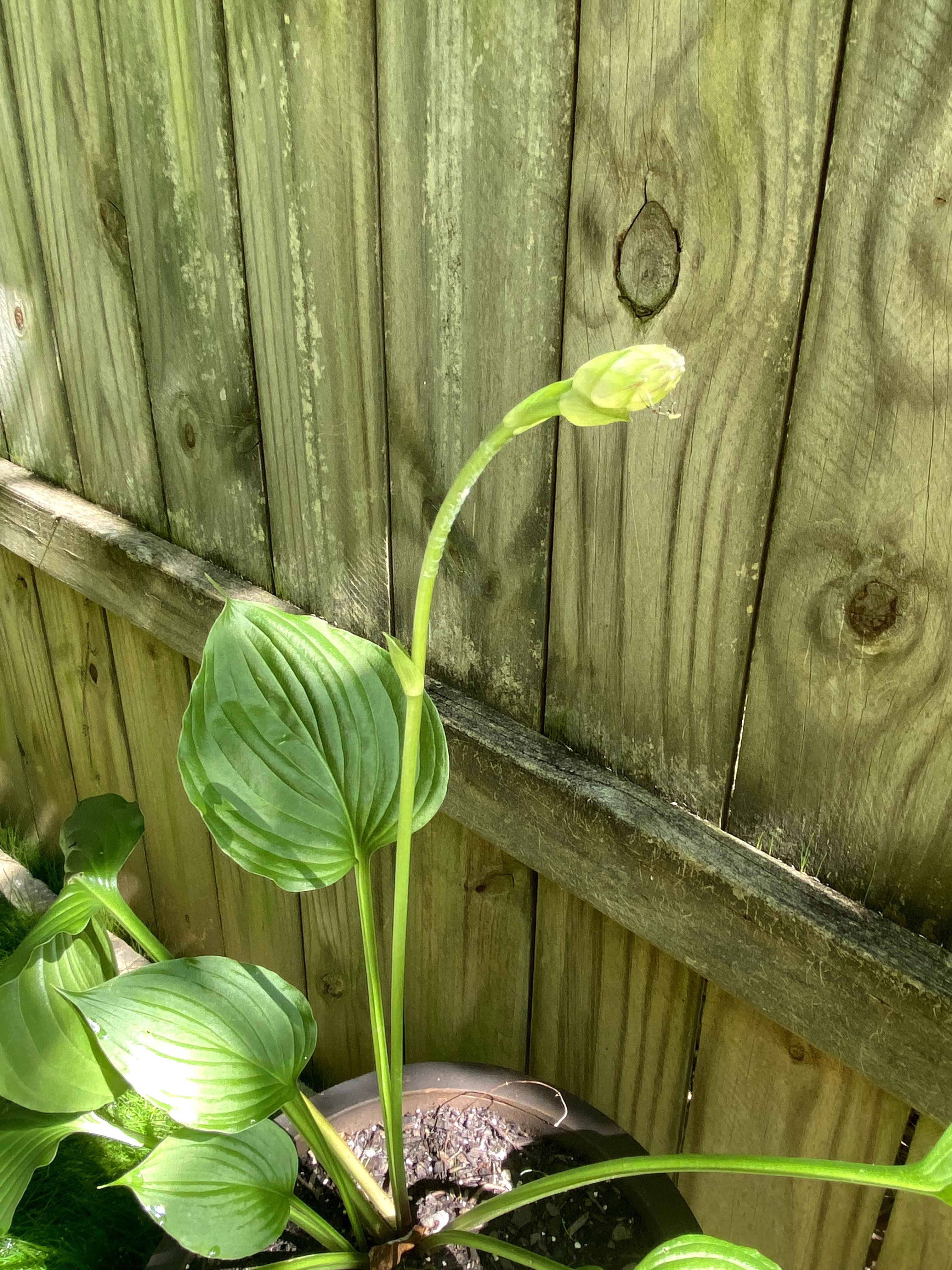






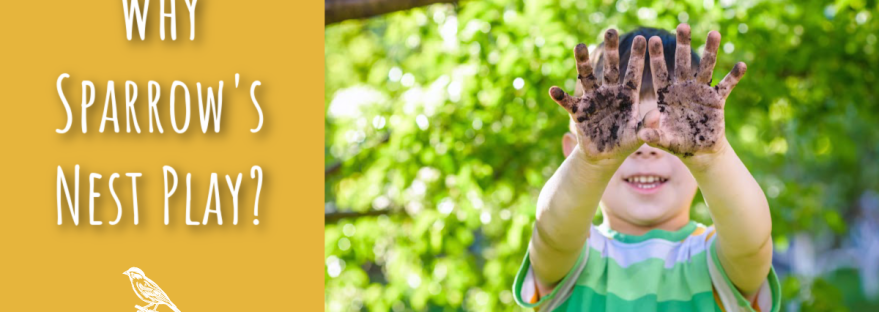

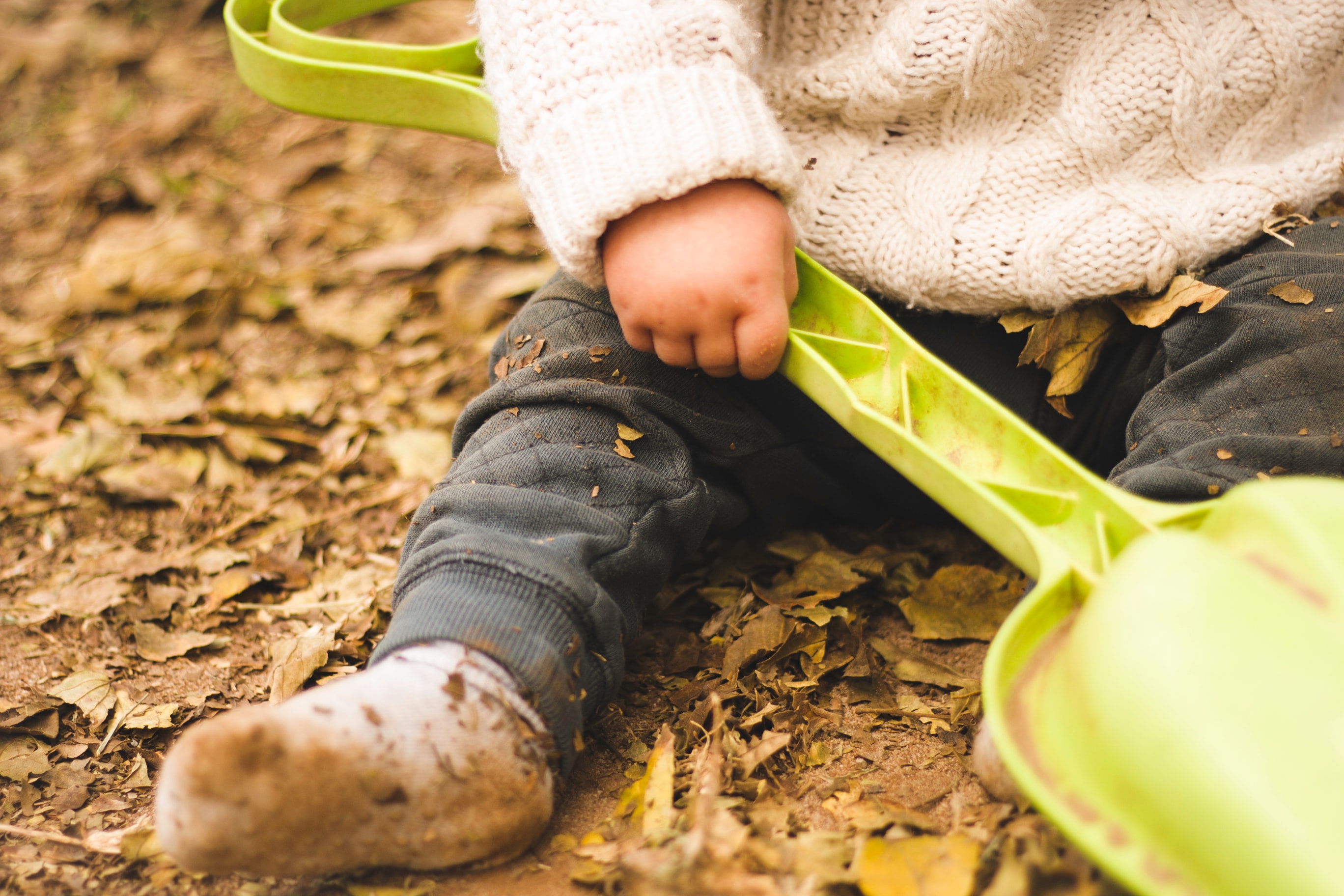 Sparrow’s Nest Play is a place to investigate and wonder and learn using all of those natural, God-given curiosities. With supervision and caution, teaching a child to use their senses to explore the world around them is highly beneficial to their development. But it takes intentionality. If we need to have a time of digging in the dirt, let’s provide a safe space to do so, tools to assist and an appropriate place to clean up afterwards. And let’s teach about what healthy soil is while we are doing it so we don’t waste this learning opportunity!
 Sparrow's Nest Play, INC.